The Best Jamaican Food Dishes for a True Island Experience
Jamaican food does not try to be subtle. It is smoky, hot, aromatic, starchy, slow-cooked, and deeply tied to the history of the island. You taste West African technique, Indigenous ingredients, European influence, Indian spices, Chinese adaptation, and the hard-earned creativity of a people who learned how to build extraordinary flavor from what was available. That is why a true island meal feels so complete. It is not only about heat or sweetness or char. It is about balance, memory, and the confidence to season food all the way through.
People often approach Jamaican food looking for jerk chicken and little else. Jerk deserves its fame, but stopping there misses the point. A real island experience means understanding how the main dishes, side dishes, soups, breads, and snacks work together. It means knowing why a plate of oxtail feels rich without being clumsy, why rice and peas matter as much as the protein beside them, and why a roadside soup on a rainy afternoon can say as much about Jamaica as a beachside grill.
What follows is not a ranking. It is a guide to the dishes that best capture the range and soul of Jamaican cooking, from the smoky staples visitors know to the everyday foods locals return to again and again.
Jerk chicken, the dish that introduces the island
If there is one dish that announces Jamaican food to the world, it is jerk chicken. Proper jerk is not just spicy grilled chicken. It is a method, a seasoning tradition, and a cooking style built around pimento, Scotch bonnet pepper, scallion, thyme, ginger, garlic, and allspice-forward heat. When done well, the flavor lands in layers. First comes smoke, then sweetness, then chile, then the warm clove-cinnamon note of allspice that lingers.
The best jerk chicken I have had was never the neatest. It came wrapped in foil or butcher paper, edges blackened, juices running into the bottom, with festival on the side and a little extra pepper sauce if you were brave enough to ask. In Jamaica, roadside jerk spots often outperform polished dining rooms because jerk loves fire, patience, and repetition. Cooks who spend all day over pimento wood understand exactly when the skin should blister, when the fat should render, and when the meat has absorbed enough smoke.
There is also a common misunderstanding worth clearing up. Not all jerk chicken needs to be painfully hot. The heat should support the seasoning, not erase it. Scotch bonnet brings fruitiness as well as fire. A good jerk balance lets you taste both.
Jerk pork, richer and often even better
Among people who eat Jamaican food regularly, jerk pork often inspires more devotion than jerk chicken. Pork carries smoke differently. The fat bastes the meat, the edges caramelize more aggressively, and the seasoning seems to sink deeper into each bite. When chopped into rough pieces with a cleaver, including the crisp charred bits, it has a generosity that chicken sometimes cannot match.
This is the version that makes a roadside stop turn into a full lunch. You may plan to sample a little, then find yourself ordering more. It pairs especially well with hard dough bread, festival, or roasted breadfruit because those starches absorb the spicy juices without competing for attention.
If you want the broadest, most honest introduction to Jamaican food, try both jerk chicken and jerk pork on the same day. Chicken shows the spice blend clearly. Pork shows the power of smoke and fat. Together they explain why jerk became a national symbol.
Oxtail, slow-cooked luxury on an everyday plate
Few dishes show Jamaican cooking judgment better than oxtail. It is a cut that demands time, and Jamaican kitchens know how to give it exactly that. The tail pieces are browned, braised until tender, and finished in a glossy gravy often enriched with butter beans. The sauce should cling, not flood. The meat should hold its shape but surrender easily.
Oxtail has become expensive in many places, which makes it feel like restaurant luxury, but its roots are humbler. Like many beloved dishes across the Caribbean, it comes from making a less fashionable cut delicious through seasoning and patience. That history matters. Jamaican food is full of techniques that turn necessity into pleasure.
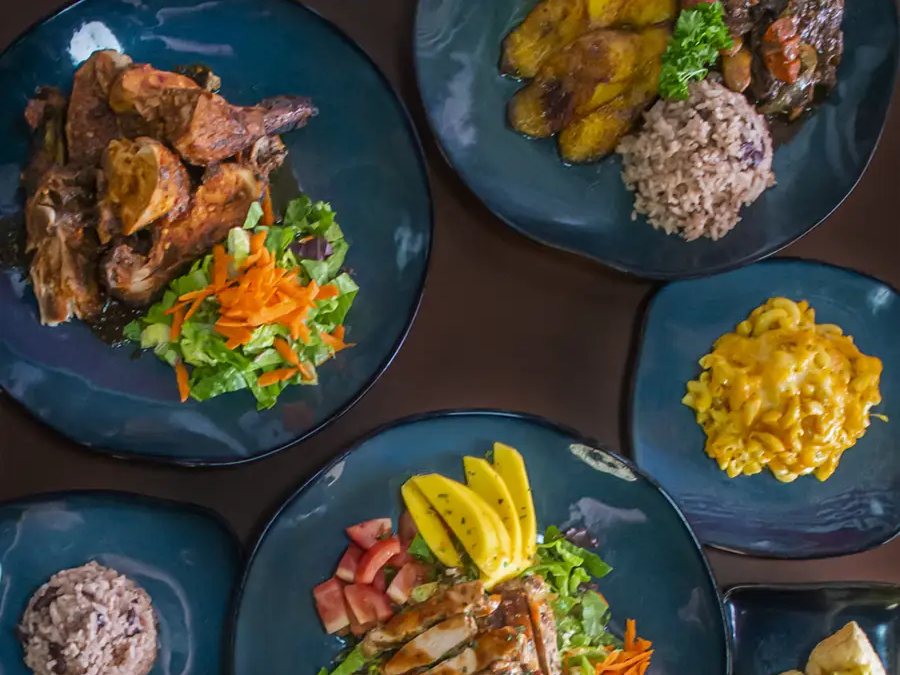
On the plate, oxtail is at its best with rice and peas. The beans in the gravy echo the peas on the side, and the rice catches every drop of sauce. Add a little steamed cabbage and you have one of the most satisfying meals in the cuisine. Rich, yes, but not careless. The cabbage lightens things. The rice steadies the spice. The gravy ties it together.
Curry goat, the Sunday table favorite
Curry goat occupies a special place in Jamaican cooking because it is both celebratory and familiar. It often appears at Sunday dinner, family gatherings, parties, and community events. Goat, when cooked properly, has a deeper and slightly gamier flavor than beef, and it stands up beautifully to Jamaican curry powder, thyme, garlic, scallion, and Scotch bonnet.
The key is patience. Rushed curry goat is disappointing. The meat stays tight, and the sauce tastes thin. Good curry goat cooks until the spices settle into the meat and the gravy thickens into something almost velvety. Potatoes are common in some versions, not as filler but as part of the dish, soaking up the curry and giving the plate substance.
This is where context helps. Jamaican curry differs from Indian curry, though Indian influence is unmistakable. The blend tends to have a particular earthy brightness, often led by turmeric and allspice, and the finished dish leans into pepper, herbs, and savory depth rather than creaminess. It is its own thing, and it deserves to be judged on those terms.
Ackee and saltfish, Jamaica’s national dish
Ackee and saltfish tells a larger story than almost any other dish on the island. Ackee came from West Africa. Salt cod reflects the trade routes and colonial systems that shaped Caribbean eating. Together, cooked with onion, tomato, scallion, thyme, and pepper, they form the national dish of Jamaica.
For first-time eaters, ackee can be surprising. Its texture is soft and delicate, almost like scrambled eggs or tender avocado, but not quite either. Saltfish brings the briny backbone, and the seasonings sharpen and perfume the whole pan. On its own, ackee is mild. That mildness is part of the pleasure because it lets the saltfish and aromatics do their work.
This dish shines at breakfast, especially with fried dumplings, roasted breadfruit, bammy, or boiled green banana and yam. It is substantial without feeling heavy in the same way as a large meat plate. If jerk is Jamaica’s loudest culinary ambassador, ackee and saltfish is the dish that reveals the island’s subtler intelligence.
One practical note matters here. Ackee must be properly prepared and fully opened before cooking. In Jamaica, experienced cooks understand this well. Visitors trying it should simply https://beaujruk629.solsticebrief.com/posts/jamaican-food-dishes-that-are-bursting-with-flavor eat it from trusted kitchens and enjoy the result without overthinking it.
Brown stew chicken, the everyday classic
Brown stew chicken rarely gets the attention of jerk or curry goat, but it deserves far more praise than it usually receives. This is one of the dishes that tells you how Jamaicans actually eat at home and in neighborhood cookshops. The chicken is seasoned, browned, then simmered with onion, scallion, tomato, thyme, garlic, and peppers until the sauce becomes savory and slightly sweet from caramelization.
There is comfort in brown stew chicken, but it is not bland comfort. The browning process gives the gravy a dark, almost molasses-like depth. The vegetables soften into the sauce. The pepper warms the dish without overwhelming it. It is the kind of meal that tastes even better after the flavors sit together a bit longer.
If someone says they want to understand Jamaican food beyond tourist menus, this is one of the first dishes I would recommend. It shows the seasoning style clearly and proves that the cuisine does not depend on smoke alone to create impact.
Escovitch fish, bright, sharp, and beachside perfect
Escovitch fish is one of the great Caribbean expressions of fried fish. In Jamaica, whole fish, often snapper, is seasoned, fried until the skin turns crisp, then topped with a tart, spicy dressing of vinegar, onion, carrot, bell pepper, and Scotch bonnet. The contrast is the point. Hot crisp fish meets cool acidic vegetables, and the result tastes alive.
This is the dish I associate most strongly with seaside eating. You can have it in more formal restaurants, but it is especially convincing near the coast, where fish moves quickly from boat to pan. The freshness matters. So does the fry. The exterior should crackle, not sag under the pickled topping.
Escovitch also shows a side of Jamaican food that people sometimes overlook. Not every great dish is dark, stewed, or smoke-heavy. Jamaican cooking also knows how to be sharp, brisk, and clean. A plate of escovitch with bammy and maybe a little festival on the side captures that side beautifully.
Rice and peas, more essential than many main dishes
Calling rice and peas a side dish almost understates its role. In Jamaican food, it is the anchor. Usually made with kidney beans or gungo peas, coconut milk, thyme, scallion, and sometimes allspice, it carries fragrance and richness that plain rice simply cannot. The peas add creaminess, the coconut lends body, and the herbs perfume the pot.
The dish matters because it moderates stronger flavors. It cools jerk heat, supports oxtail gravy, and turns curry goat into a complete meal. It also stands on its own surprisingly well. A properly made pot has enough flavor to be satisfying before anything else touches the plate.
Many people outside Jamaica expect “peas” to mean green peas, then look confused when beans appear. That small mismatch reveals how local language and local tradition shape food. Once you have tasted authentic rice and peas, the name stops mattering.
Patties, the ideal meal when time is short
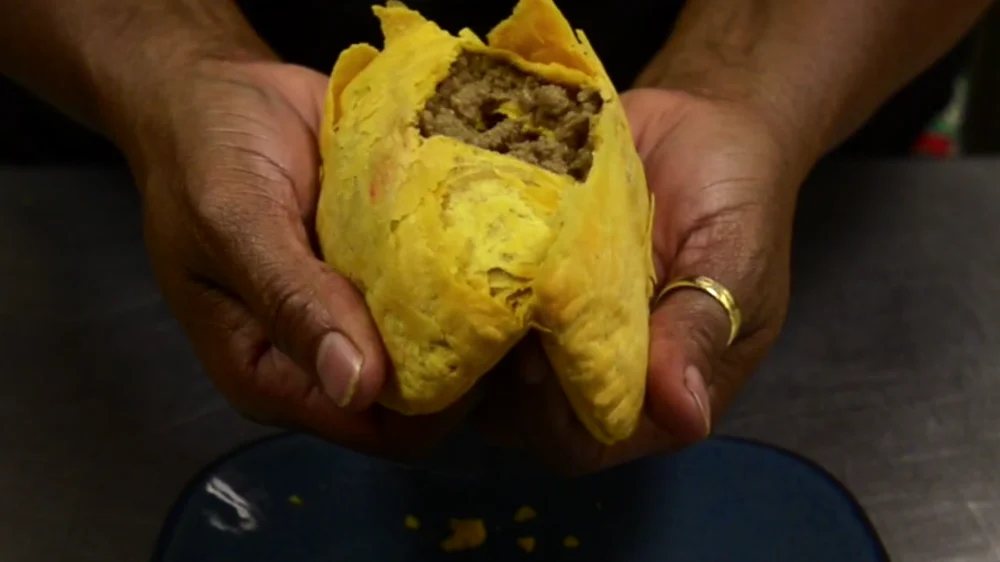
A Jamaican patty is portable, flaky, and fiercely practical. It belongs to the bakery, the school lunch, the road trip, the corner shop, the midday bite when a full plate feels too heavy. At its core, it is a savory turnover, usually with a golden turmeric-tinted crust and a filling such as seasoned beef, chicken, saltfish, vegetables, or spicy beef.
The best patties understand proportion. The crust should shatter lightly without drying out the filling. The interior should be well-seasoned but not greasy. Heat is welcome, but so is restraint. You want to finish one and immediately think about a second.
There is also a specific pleasure in eating a patty with coco bread, a soft slightly sweet bread that turns the snack into something more substantial. It may sound simple, but that pairing has real logic. The bread softens the spice and adds contrast to the flaky shell.
If you are exploring Jamaican food for the first time, patties are one of the easiest entry points. They are inexpensive, widely available, and revealing. A good patty tells you a lot about how a bakery approaches spice, fat, texture, and seasoning.
Soups that eat like full meals
Jamaican soups are rarely delicate broths. They are hearty, often thickened, and built to satisfy. Pepper pot soup, red peas soup, chicken foot soup, mannish water, and fish tea each occupy their own lane, but they share a practical generosity. These are soups that can anchor a day.
Red peas soup, for example, often combines beans, salted meat or fresh meat, dumplings, root vegetables, and coconut milk into something close to a stew. Pepper pot soup leans green and earthy, usually with callaloo or other greens and a pronounced herbal depth. Fish tea, despite its name, is a broth rather than tea, clear but potent, often made with fish heads or bones for depth and sharpened with seasoning and pepper.
Visitors sometimes skip soup because it sounds too humble or too familiar. That is a mistake. In many Jamaican kitchens, soup carries the same seriousness as any main course. It is where technique, thrift, and comfort meet.
Ground provisions, the backbone of the plate
To understand Jamaican food, you have to respect the starches and root vegetables often called ground provisions. Yam, green banana, cassava, sweet potato, boiled dumplings, and breadfruit are not afterthoughts. They are central to how meals work.
Breadfruit in particular deserves more love outside the Caribbean. Roasted over fire, it develops a smoky edge and a dense, satisfying texture somewhere between potato and fresh bread. It pairs brilliantly with ackee and saltfish, roast fish, or jerk. Boiled green banana and yam bring sturdiness to breakfast and lunch plates, especially when saltfish or callaloo is involved.
These foods also tell part of Jamaica’s agricultural story. They grow from the land, store reasonably well, and feed people seriously. In a cuisine known for bold seasoning, ground provisions provide ballast.
Festival, bammy, and fried dumplings, the supporting cast that often steals the scene
Some of the most memorable bites in Jamaican food come from the things served beside the main attraction. Festival, a slightly sweet fried dough, is especially good with jerk because it cools and complements the spice. Bammy, made from cassava, brings a gentle chew and subtle sourness that matches fish beautifully. Fried dumplings, golden outside and soft within, are breakfast legends.
These foods are easy to underestimate until you have a meal without them. Then you notice what is missing. They are textural counterweights, spice absorbers, and carriers for sauce. They make the difference between a plate that tastes good and a plate that feels complete.
Callaloo, the green dish that deserves more attention
Callaloo is one of those dishes that regulars order almost automatically while newcomers overlook it. Usually sautéed with onion, tomato, garlic, thyme, and pepper, it can appear as a breakfast side, a lunch companion, or part of a larger spread. Depending on the cook, it may be softer and more stewed or brighter and more lightly cooked.
Its appeal lies in how it cuts richness. Beside fried dumplings and saltfish, it keeps the meal from becoming too dense. Next to meat-heavy dishes, it brings freshness and a mineral earthiness. Good callaloo is not a token vegetable. It is integrated, seasoned, and fully part of the meal.
What to order if you want a true island experience
A traveler trying to get beyond the obvious should think in terms of combinations rather than single dishes. The goal is not to tick boxes. It is to build a plate that shows contrast.
- Jerk chicken or jerk pork with festival and a side of rice and peas
- Ackee and saltfish with fried dumplings or roasted breadfruit
- Oxtail with rice and peas and steamed cabbage
- Escovitch fish with bammy
- Curry goat as part of a Sunday-style lunch
That kind of eating gives you smoke, stew, starch, heat, acid, and the interplay that makes Jamaican food so satisfying.
How to tell when the food is likely to be good
There are a few patterns that tend to hold true, whether you are in Jamaica or eating at a Jamaican restaurant abroad. None is absolute, but together they are useful.
- The aroma hits before you read the menu, especially smoke, thyme, scallion, and spice
- The kitchen treats sides seriously, with flavorful rice and peas, not plain filler
- Jerk shows char and moisture, not just red seasoning on grilled meat
- Stewed dishes look glossy and reduced, not watery
- Regular customers order quickly because they already trust the food
Experience has taught me that Jamaican food reveals itself fast. If the rice lacks fragrance or the gravy tastes flat, the rest of the meal usually follows. If the sides are excellent, the kitchen probably understands the cuisine deeply.
The real measure of the cuisine
The best Jamaican dishes are memorable not because they are extreme, but because they are complete. Heat has purpose. Smoke has depth. Sweetness is strategic. Starch is never filler when it is done right. Even the most casual meals tend to show thoughtful balance.
That is what people miss when they reduce Jamaican food to “spicy Caribbean food.” The cuisine is more disciplined than that. It knows when to push and when to steady. It values the grill, but it also respects the pot. It can feed a crowd, comfort a family, or stop a traveler in their tracks with one bite of perfectly smoked pork on the side of the road.
For a true island experience, eat broadly. Start with jerk, yes, but keep going. Order the oxtail. Try the ackee and saltfish. Do not skip the rice and peas. Make room for a patty, for escovitch fish, for breadfruit, for soup. Jamaican food rewards appetite, but even more than that, it rewards curiosity.
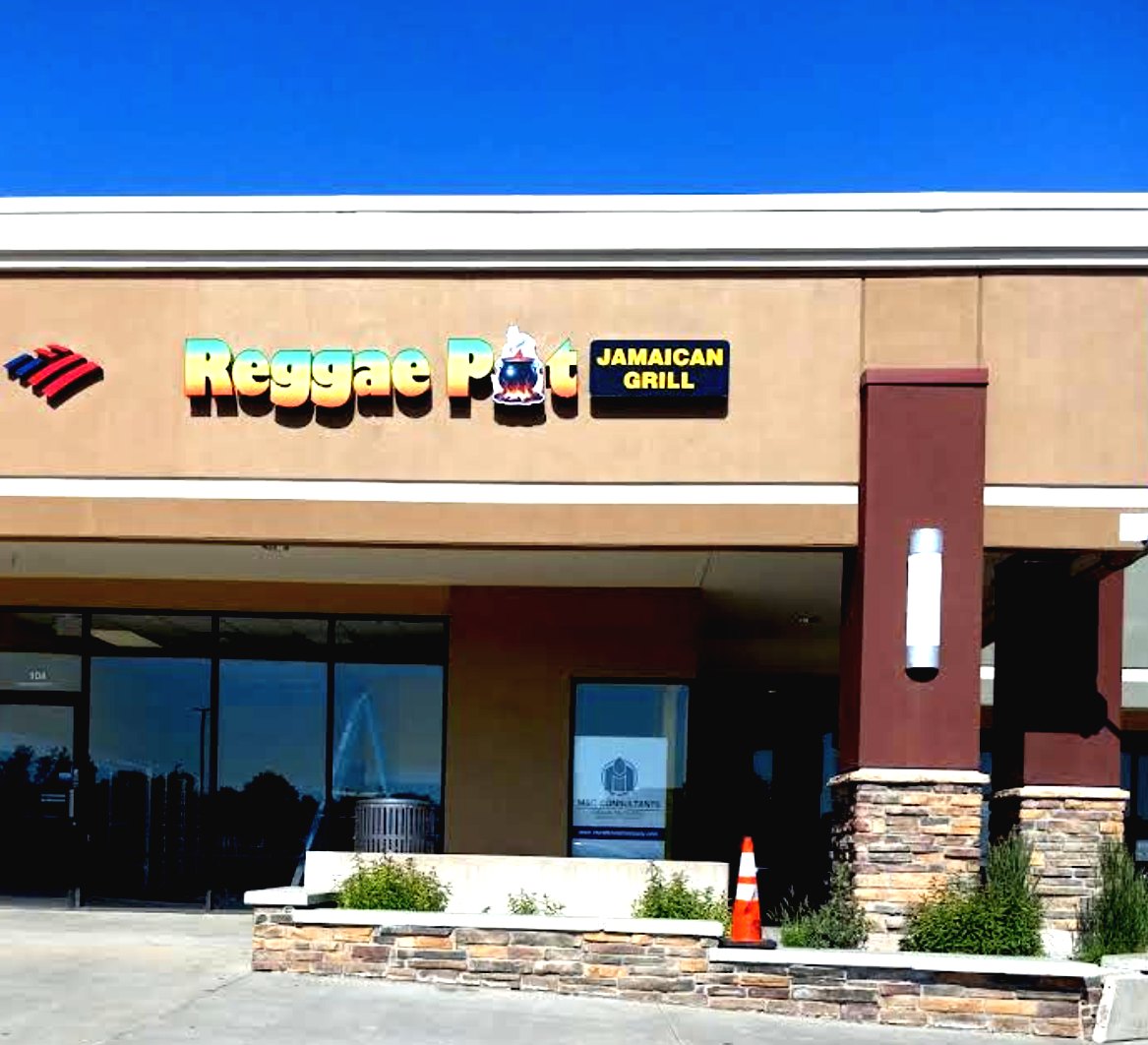
Reggae Pot Jamaican Grill
2243 S Monaco St Pkwy #104
Denver, CO 80222
+1 720-410-2956
FAQ About jamaican food
What is the best Jamaican food to try in Denver?
The best choice depends on your tastes. Popular options include jerk chicken, curry goat, slow-cooked oxtail, and savory patties. Reggae Pot lists these dishes on its menu, with sides such as rice and peas and plantains. Ask the Denver team about current availability and spice levels.
Is Jamaican food very spicy in Denver?
Heat varies by dish and preparation. Jerk seasoning often includes scotch bonnet peppers alongside herbs and allspice, while other dishes may have gentler seasoning. Ask about the heat of the specific dish and any sauce before ordering.
What are some popular Jamaican snacks?
Jamaican patties are a popular snack made with flaky pastry and savory meat or vegetable fillings. Other options include fried dumplings and festival, a sweet fried dough often served with savory dishes. Availability varies, so check the current menu when ordering.